Motor Efficiency Claims and the Mission Operating Range
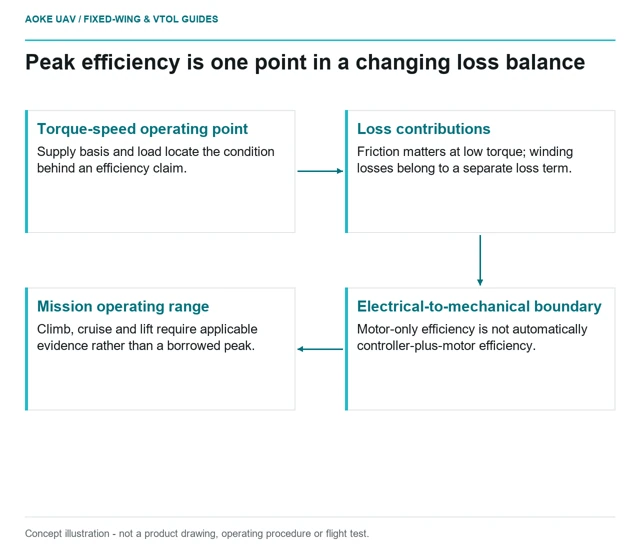
A peak motor efficiency figure does not describe every mission phase. Review the relevant speed-load range and preserve measurement boundaries.
GAUTEN UAV / TOPIC ARCHIVE
A peak motor efficiency figure does not describe every mission phase. Review the relevant speed-load range and preserve measurement boundaries.
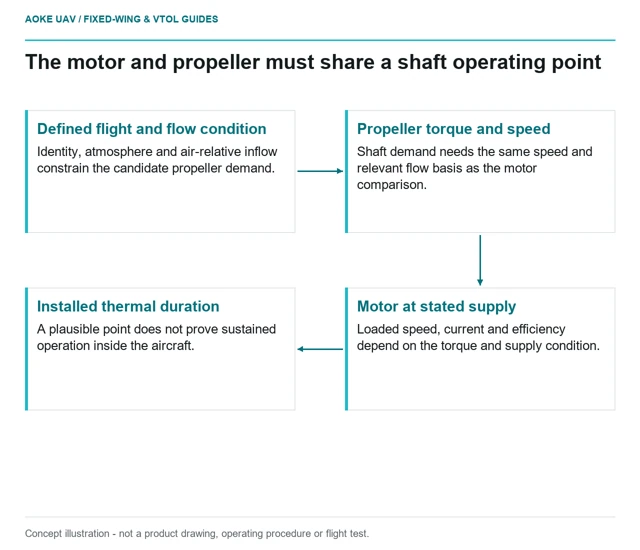
Find the loaded torque-speed-current point before comparing motor power labels, and retain the propeller and controller assumptions behind it.
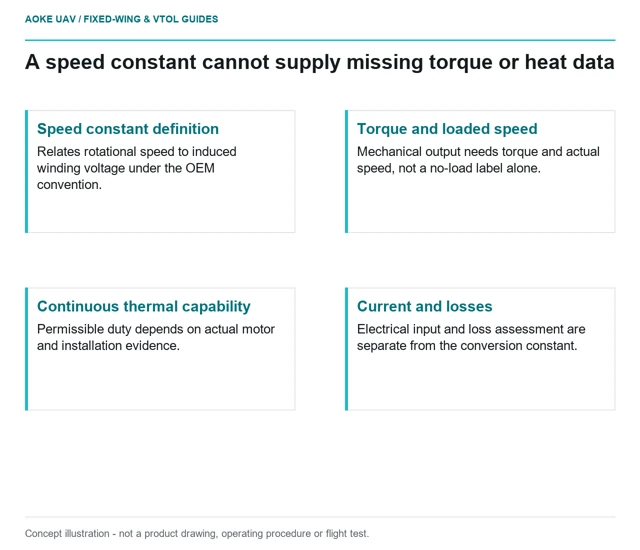
A motor speed constant describes an electromechanical relationship. It does not establish sustained propulsion power, cooling or installed performance.
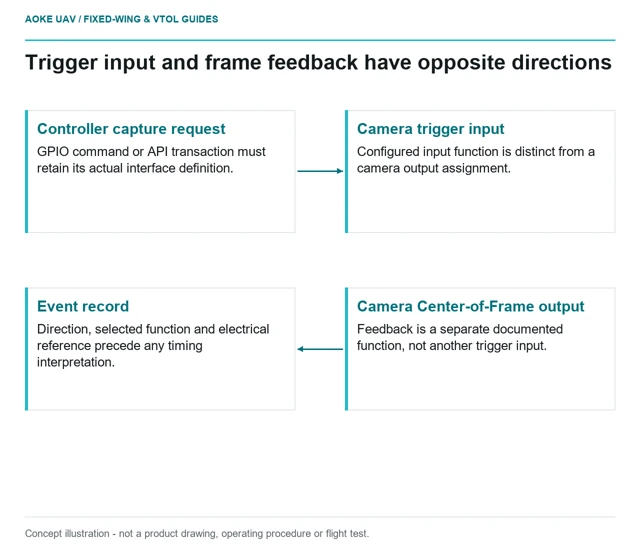
RedEdge-P GPIO trigger input, Center-of-Frame output and API capture commands are distinct interfaces with different electrical and verification questions.
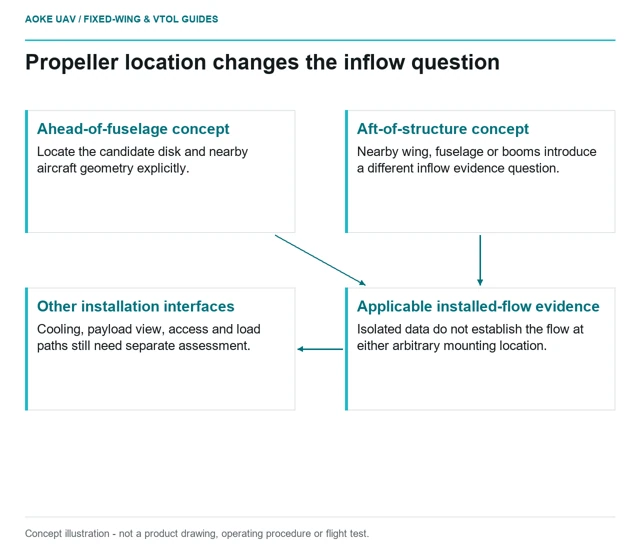
Compare pusher and tractor concepts through inflow, cooling and installation evidence, not a universal layout efficiency ranking.
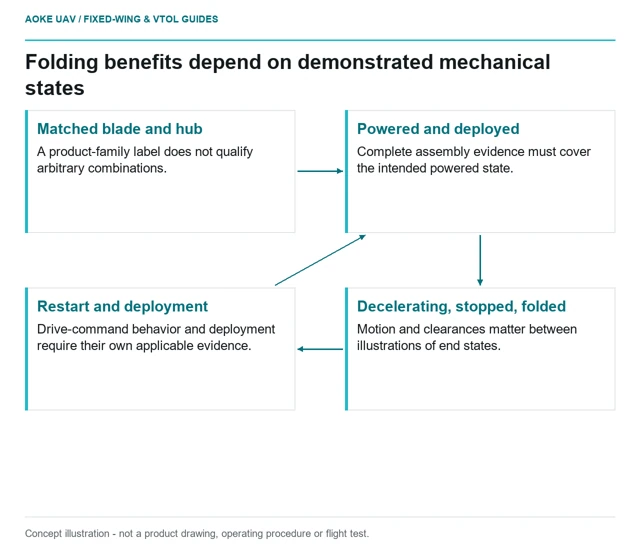
Treat folding blades and their hub as a documented combination, with deployment, stopped states and installation evidence reviewed separately from drag expectations.
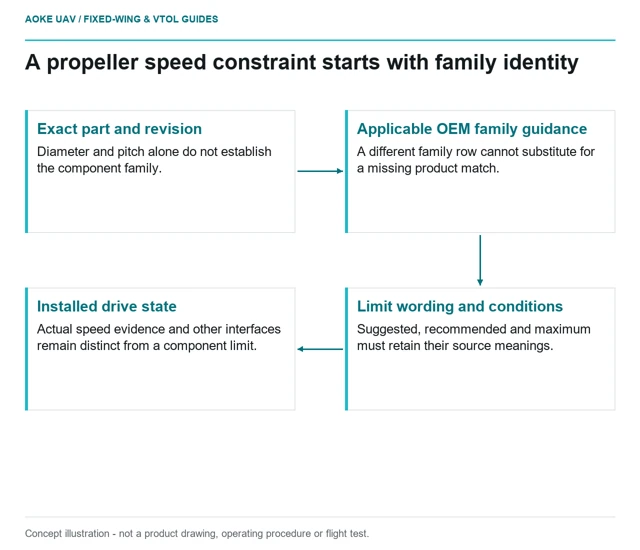
Match rotational-speed guidance to the exact propeller family and revision, then keep that component limit separate from installed-system approval.
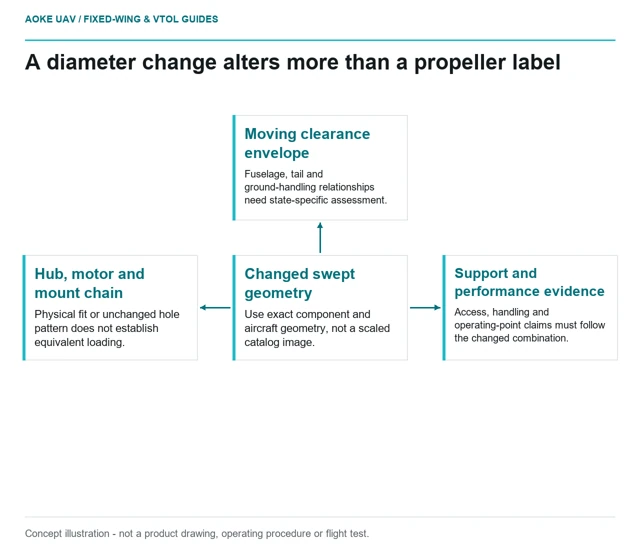
Review a proposed diameter change as a configuration change across clearances, mounts, handling interfaces and performance substantiation.
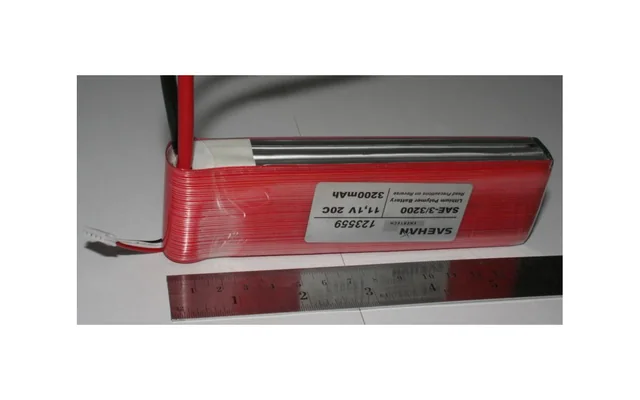
Charging and storage requirements belong to the exact battery, charger and applicable maintenance instructions, not a universal UAV recipe.
Image: Achimd / public-domain. Resized for this page.
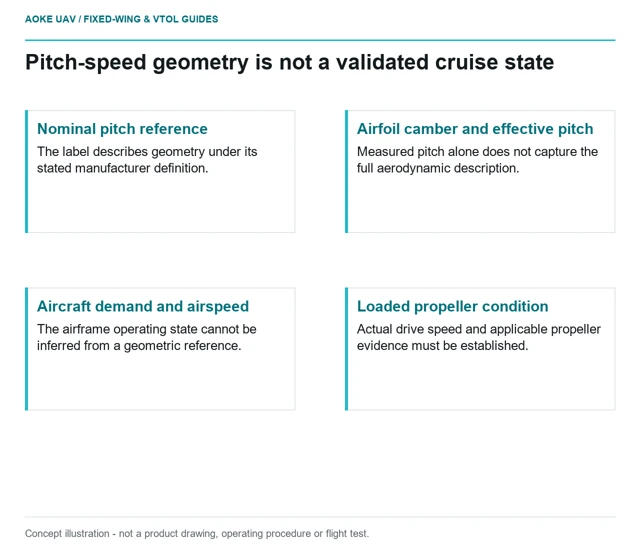
Interpret nominal pitch speed as a geometric reference rather than a guaranteed aircraft airspeed, with camber and operating-point evidence kept visible.