Changing Printer or Material During Tool Production
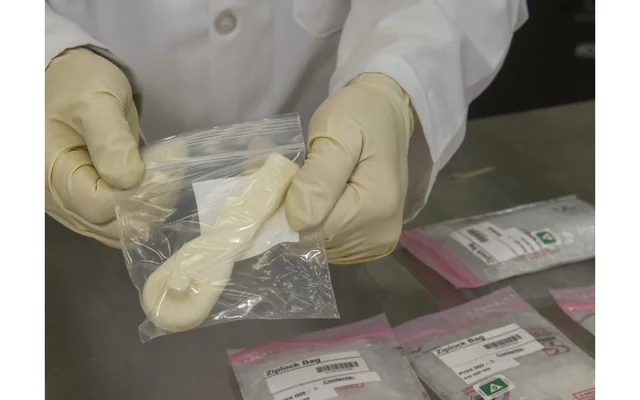
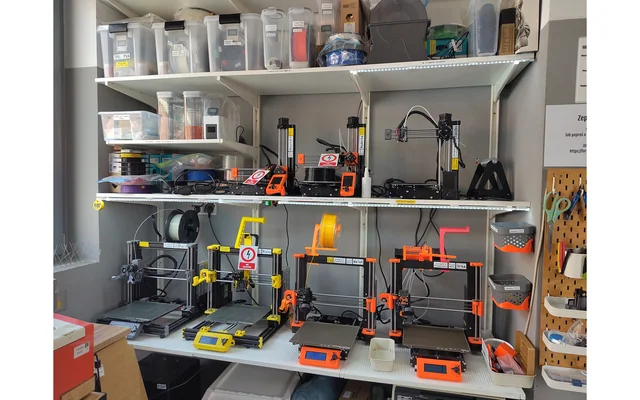
A replacement printer or polymer changes the evidence question even when the tool geometry file remains unchanged.
Image: Majabojarska / CC-BY-4.0. Resized for this page.
GAUTEN UAV / TOPIC ARCHIVE
A replacement printer or polymer changes the evidence question even when the tool geometry file remains unchanged.
Image: Majabojarska / CC-BY-4.0. Resized for this page.
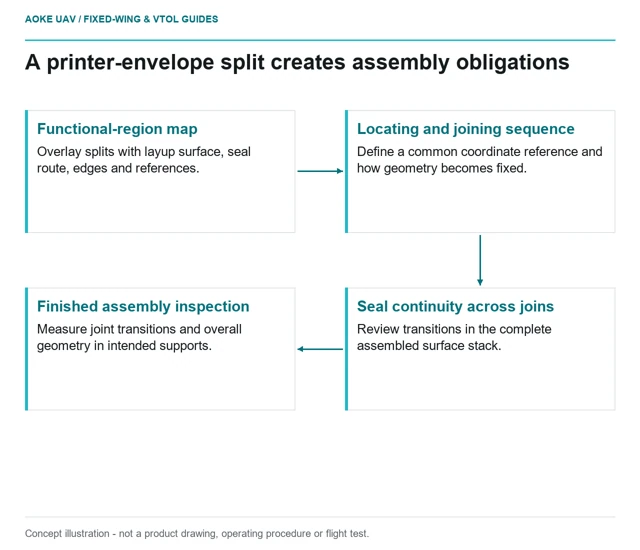
Choose printed wing-mold segmentation around surface regions, joint alignment, seal continuity and inspection of the finished assembly.
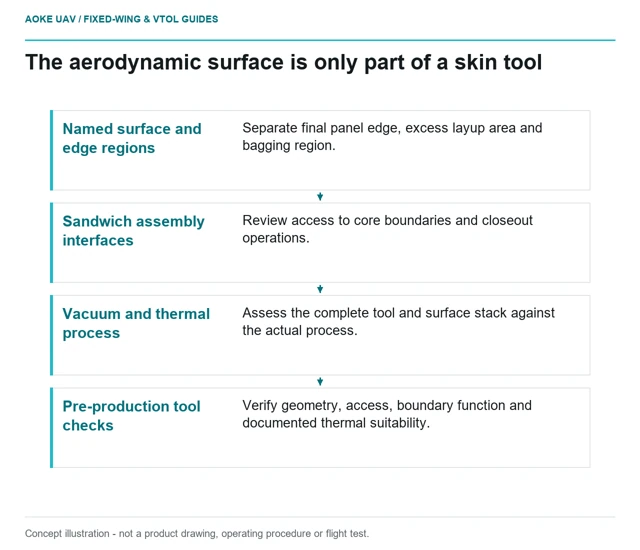
Build a printed sandwich-wing mold brief around layup allowances, core interfaces, vacuum compatibility and independent panel acceptance.
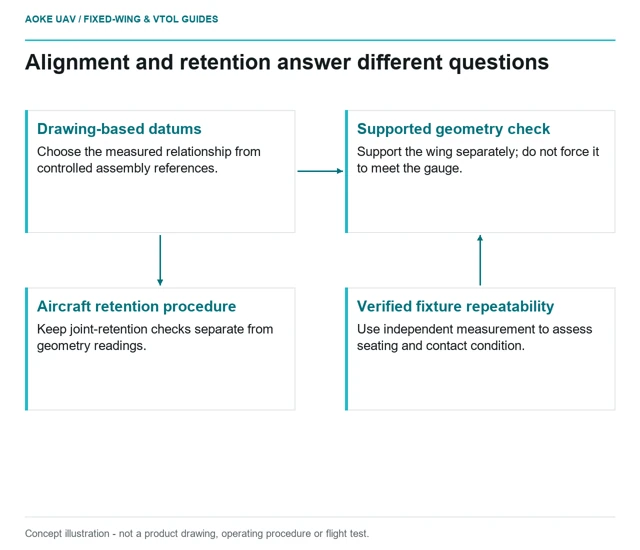
Plan printed wing-root alignment fixtures around controlled datums, supported seating, repeatability and separate retention checks.
Separate ground tooling, geometry prototypes and proposed airborne hardware with distinct evidence and decision records.
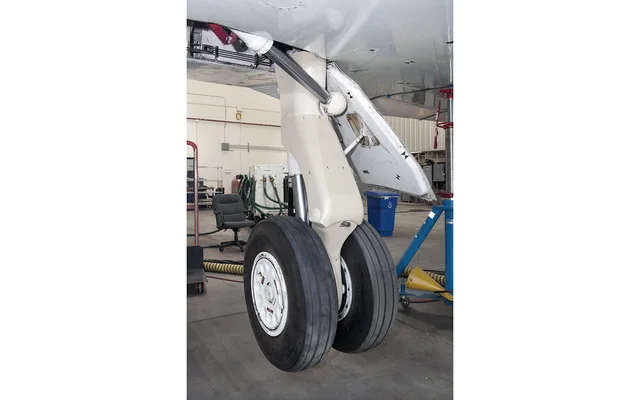
Image: NASA / Ken Ulbrich / public-domain. Resized for this page.
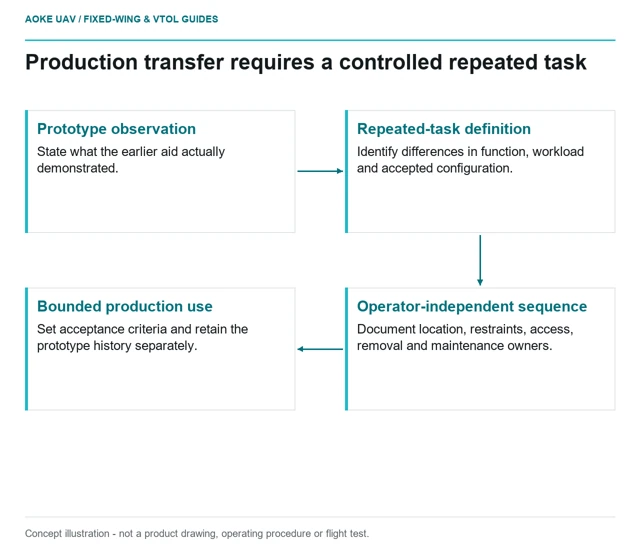
A useful prototype jig becomes production tooling only through a controlled definition, repeatable use, inspection, and explicit release criteria.
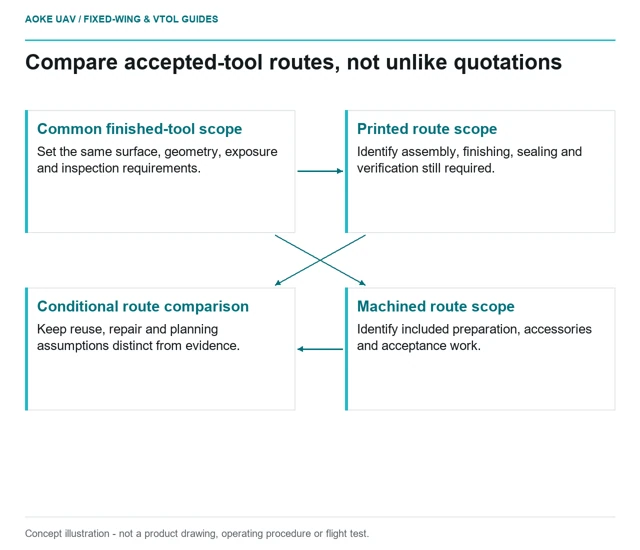
A fair tooling comparison includes the work needed to reach the same accepted manufacturing function, not just the price of a print or blank.
A printable file needs a bounded manufacturing and inspection package before a remote workshop can release the resulting ground fixture.
Image: NASA/MSFC/Emmett Given / public-domain. Resized for this page.
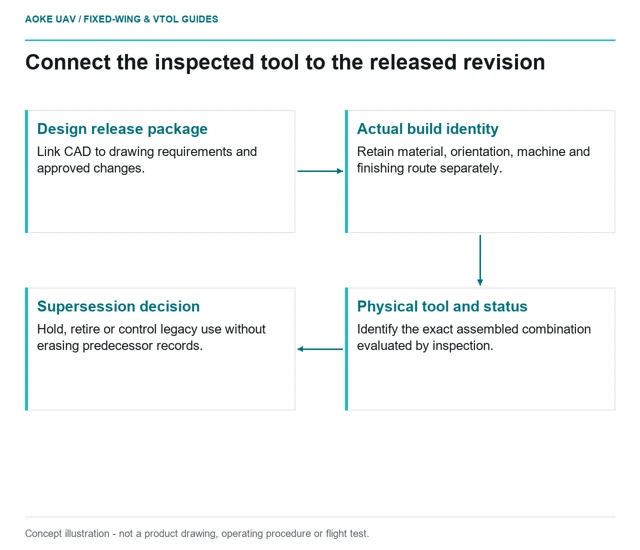
A fixture revision is useful only when its physical identity, build definition, and inspection status remain connected.
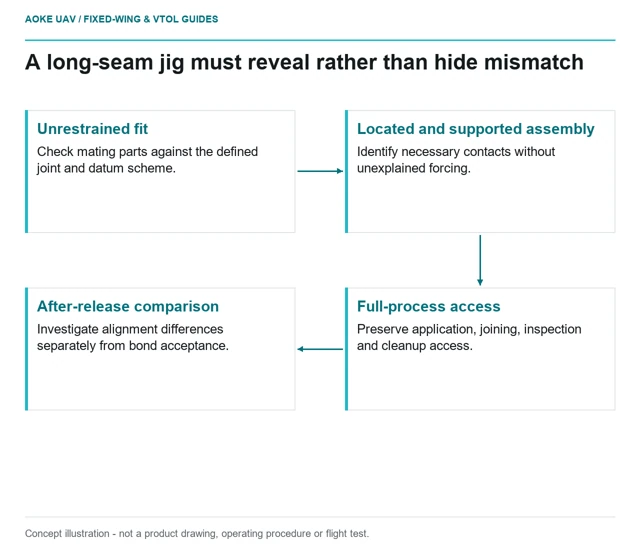
A long-wing bonding jig should hold the intended datums and preserve process access while remaining separate from qualification of the structural bond.